


Bringing a new kitten home is one of the best days there is, and one of the most confusing. Search for kitten essentials and you'll find lists so long they need their own checklist. The good news? The essentials that help your kitten feel safe and settled make a much shorter list, and you can sort most of them before you bring home your new kitten.
This new kitten checklist covers what your kitten needs for comfort, safety and grooming in the first few weeks. It's simple, practical and works in any new kitten home.
What Does a New Kitten Need?
Kitten adoption is exciting, and a little planning makes it easier. Every new kitten needs three things from day one: a safe place to rest, a way to be identified and gentle, regular handling. Get those right and the rest of kitten care tends to fall into place.
Most kittens are ready for a new home from around eight weeks of age, and kittens this young are still learning about the world. Your home is a brand-new environment, full of new surroundings, new sounds and new experiences. If you bring home a kitten at around eight to ten weeks of age, expect plenty of sleep, short bursts of play and a lot of curiosity. The essentials below help your kitten feel safe while they work it all out.
Your New Kitten Checklist: The Essentials
Here's the checklist at a glance. These are the kitten supplies we'd have ready before your kitten arrives:
-
A cosy, enclosed bed so your kitten has a safe retreat
-
A breakaway kitten collar that releases if it gets caught
-
An engraved ID tag with your phone number
-
A slicker brush or grooming glove for a gentle grooming routine
-
Cat nail clippers for quick, careful trims
-
A microfibre drying mitt for damp fur and muddy paws
It isn't every item a cat or kitten will ever use, but it covers everything you need for comfort, ID and grooming. Here's a closer look at each essential.
Comfort Essentials: Helping Your Kitten Feel Safe
A new home can feel enormous to a small kitten. One of the first things your kitten will need is a quiet spot to call their own, because a kitten who feels secure settles faster.
The Slipper Cat Bed is a soft, slipper-shaped bed with a covered front, ideal for a kitten who likes to hide and watch. Place it in a calm corner of your kitten's base room, away from doorways. A blanket that smells of their first home helps your kitten feel at ease in their new kitten home.
Let your kitten settle at their own pace
Many kittens need one to two weeks to settle, though some take over the house in a day. Let your kitten come out when they're ready, and avoid pulling them from their bed. Kittens are naturally curious, so curiosity usually wins in the end.
Safety Essentials: Kitten Collar and ID Tag
A collar and tag are simple cat accessories with an important job. If your kitten ever slips through an open door, a tag with your number helps whoever finds them get your kitten home quickly.
Choose a breakaway collar
A breakaway collar is designed to unclip if it catches on something, which makes it a sensible choice for a curious climber. The Embroidered Breakaway Cat Collar can be personalised with your cat's name stitched onto the band, so it works as a cat name tag too.
Check the fit as your kitten grows
When introducing your kitten to a collar, keep the first sessions short and follow them with a fuss or a game. You should be able to slide two fingers under the collar.
A growing kitten changes size fast, so check the fit on your kitten regularly. Loosen the collar as your kitten grows, and keep checking until they're a fully grown adult cat.
Add an engraved tag
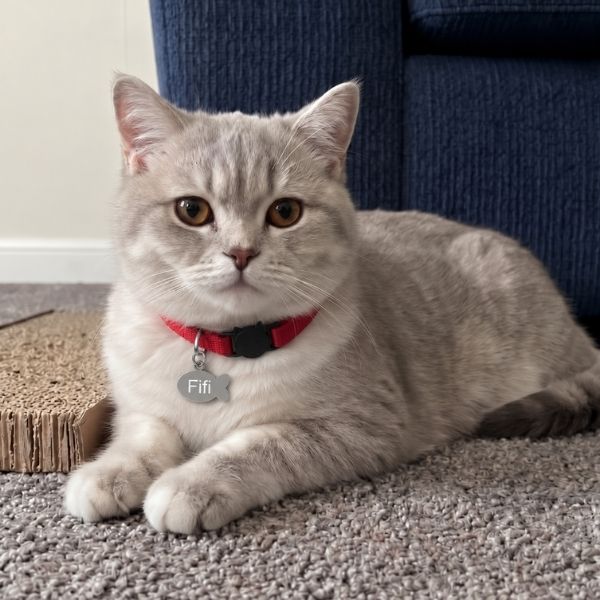
The Engraved Fish Cat Tag is small and light, so it suits a kitten from the start. Keep the engraving clear: your cat's name and a phone number is all you’ll need.
Grooming Essentials: A Gentle Care Routine
Grooming is one of the easiest ways to bond with your kitten. Short, regular sessions help kittens learn that being handled is nothing to worry about, which makes life easier once they're an adult cat.
Brushing
Start with a minute or two. The Self-Cleaning Slicker Brush lifts loose fur, then a press of the button clears the bristles in seconds.
For a nervous kitten, the Cat Grooming Glove feels just like being stroked, so it's a gentle way to help your kitten get used to grooming.
Nail trims
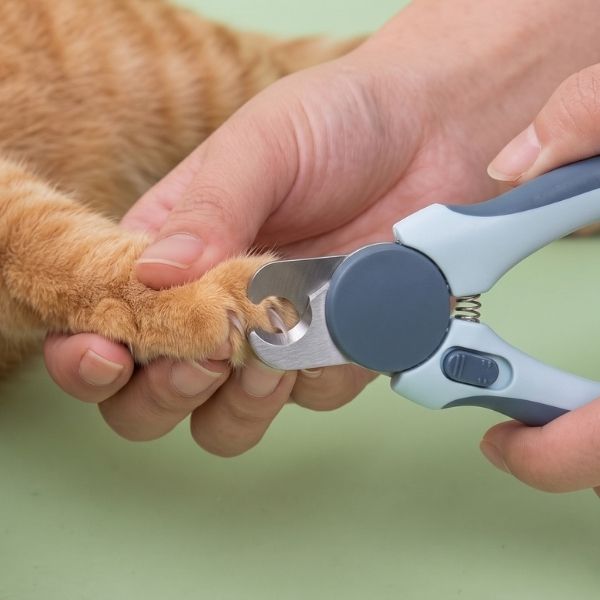
Kitten claws are tiny but sharp. The Cat Nail Clipper is made for precise trims on delicate claws. Trim just the clear tip, take your time and stop if your kitten gets restless. One or two claws at a time is fine.
Drying paws and fur
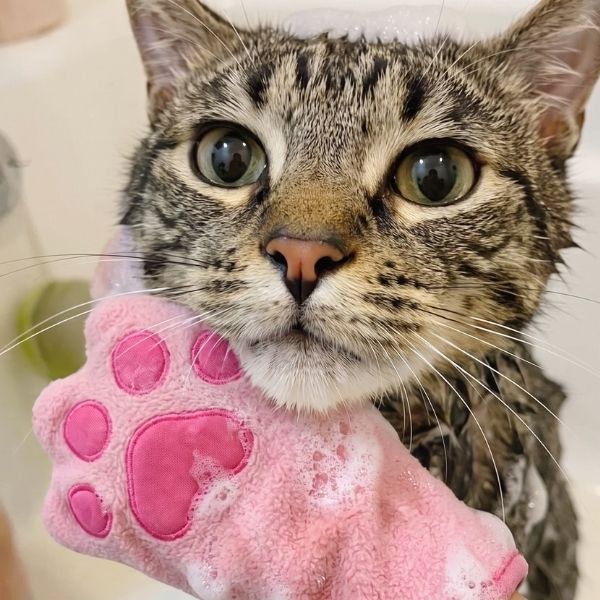
The Cat Glove Towel is a soft microfibre mitt for drying damp fur and wiping muddy paws. It's also great for handling practice, so your kitten feels comfortable having their paws touched.
The Other Basics on Every New Kitten Checklist
These aren't part of our range, but no new kitten checklist is complete without them, so here's a quick reminder:
-
Kitten food: ask where your kitten came from which food your kitten has been eating, and speak to your vet before moving to a new food. Your vet can also talk you through wet food, dry food and your kitten's nutritional needs.
-
Food and water bowls: shallow food and water bowls suit small faces. Some owners like a water fountain, but a bowl of fresh water works perfectly well.
-
Litter box and cat litter: a low-sided litter box (often called a litter tray) is easiest for small legs to climb into.
-
Scratching post or cat tree: somewhere for claws to go that isn't your sofa.
-
Kitten toys: a few simple toys for short play sessions.
-
Vet care: book a first check-up soon after your kitten arrives. Your vet is the best guide for any veterinary care questions.
Bringing Your Kitten Home: The First Few Weeks
Bringing your kitten home is a big change for a new pet, so keep things simple:
-
Start with one room. Give your kitten a quiet base before they explore the rest of the house.
-
Keep visitors to a minimum. Let your kitten meet new people slowly.
-
Offer new experiences one at a time. A new room, a new sound, then a new person.
-
Build a care routine. Grooming, play and rest at similar times each day help your kitten feel confident.
-
Follow their lead. A relaxed kitten will start exploring by themselves.
Patience in these first few weeks really pays off.
Prepare Your Home Before Your Kitten Arrives
Young kittens fit into surprisingly small gaps, so before your kitten arrives:
-
Block gaps behind and under furniture
-
Tidy away cables and cords
-
Move fragile items off low shelves
-
Keep doors and windows closed until your kitten has settled
A little preparation makes welcoming a kitten into your home far less stressful for everyone.
New Kitten FAQs
When should I get my kitten essentials ready?
Ideally a few days before you bring home a new kitten. Having the bed, collar, tag and grooming kit ready means you can get your kitten settled from the very first hour.
What does a new kitten need most?
Comfort and calm. What a kitten needs most in the first days is a safe place to rest and time to explore. Kittens only ten or twelve weeks old can switch from bold to overwhelmed in seconds.
Is this checklist useful for an adult cat?
Yes. The same essentials work for any new cat or kitten. An adult cat may settle at a different pace, but they'll still appreciate a cosy bed, a well-fitted collar and a gentle care routine.
How do I keep my kitten comfortable during grooming?
Pick a quiet moment, keep it short and stop while your kitten is still relaxed. A grooming glove and a little praise help your kitten link grooming with good things.
Give Your Kitten the Best Start in Life
Every kitten parent wants their new feline to feel at home. Welcome your new feline family member with these kitten essentials and you'll have comfort, safety and grooming covered from day one. Good pet care is mostly small habits, and keeping your kitten safe and comfortable now sets you both up for years of happy companionship.
Learning to care for kittens is part of the fun. Keep this care guide handy for the care essentials, because making a home for a new kitten doesn't need to be complicated.