


If you’re a cat owner, you’ve probably wondered at some point how to train a cat.
There’s a lot of advice out there, and not all of it feels easy to apply in real life. But the truth is, training can be simple. When you start teaching your cat with the right approach, things begin to make sense for both you and your cat.
And often, it’s the small, consistent habits that make the biggest difference.
Start Training Your Cat (Really Simple)
When you start training a cat, try to keep things simple.
For example, your cat can be first trained to come closer. You could even try to teach your cat to sit.
Use a small treat or a toy as a reward. Short training sessions are often enough to get your cat engaged and help your cat to learn faster.
How to Train Your Cat Using What Works
Every cat is different.
Some prefer to be rewarded with food, others respond more to play. The key is finding what works for your cat and using it at the right moment.
Having treats ready makes it easier to get your cat to focus. For example, lickable snacks can be a simple and effective option for training.
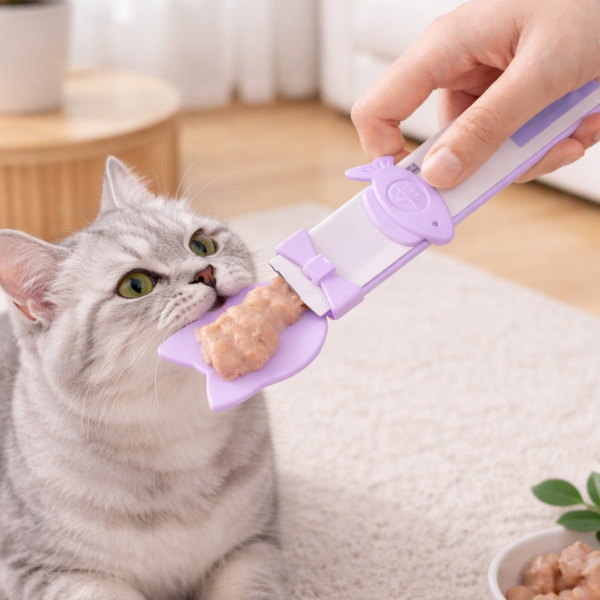
These small rewards make your cat less likely to lose interest during training and get used to following commands.
Clicker Training and Clear Communication
Timing matters in cat training more than people think.
When the cat does something right, respond immediately. That’s how the training becomes easier for a cat to understand.
Clicker training is a simple way to mark the exact moment your cat gets it right. Using a clicker can make communication easier and more consistent.
Training Your Cat in Everyday Life
Training doesn’t need to feel separate. It also happens during feeding, play, or quiet moments at home. Training outdoors is also the best time to work with your cat.
Outdoor places like parks and fields help cats to have a sense of relaxation. When your cat is relaxed, it becomes easier to help guide behaviour and keep things positive.
However, going to unfamiliar places might result for them to go far or run away. To take your cat outdoors safely, a retractable leash might be a good option to give your cat freedom while staying in control.
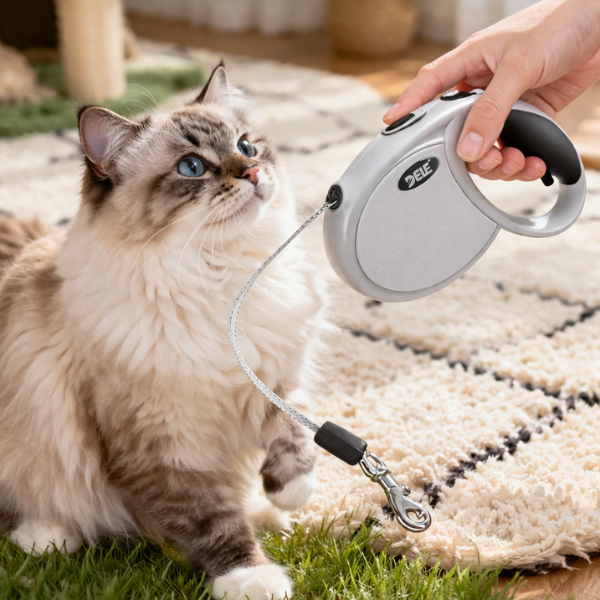
Final training tips
Training your cat is about repetition and clarity. If your cat is distracted, aim not to try everything all at once. The good thing about training is it's self-paced so if your cat becomes unready, you can pause and try again later.
It's important to also know that teaching your cat to do all of these tricks isn’t about control.
It’s about helping your cat understand, building trust, and creating routines that work for both of you.
Keep things simple. Stay consistent. And focus on what works.
That’s usually where the real progress happens.